Keeping employees safe starts with having the right safety supplies on hand. For warehouses, manufacturing facilities, distribution centers, and job sites, personal protective equipment is not just a requirement — it is a critical part of daily operations. The right products help reduce injuries, improve compliance, and create a safer, more efficient workplace.
When purchasing safety supplies for a facility, it helps to focus on the specific hazards employees face each day. Different environments call for different protection levels, materials, and product features.
Start with a Hazard Assessment
Before ordering PPE in bulk, review the work being performed in each area of your operation. Are employees handling sharp materials, working near forklifts, exposed to chemicals, or moving through high-traffic zones? A clear understanding of workplace risks makes it easier to choose products that match the job.
Choosing the Right Hard Hats
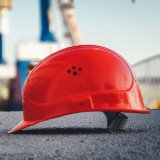
Hard hats are essential in environments where workers may be exposed to falling objects or overhead hazards. When selecting hard hats, look at factors such as suspension type, comfort, adjustability, and compatibility with accessories like face shields or hearing protection.
For teams that wear hard hats throughout the day, comfort matters. A secure fit and lightweight design can improve worker adoption and reduce distractions on the job.
Eye Protection for Daily Use
Eye protection is one of the most commonly used safety products in industrial settings. Safety glasses, goggles, and face shields can help protect workers from dust, debris, flying particles, and chemical splashes.
When evaluating eye protection, consider:
- Indoor versus outdoor use
- Anti-fog features
- Scratch resistance
- Side protection
- Compatibility with other PPE
Selecting the right eyewear for the work environment helps employees stay protected without sacrificing visibility.
Matching Gloves to the Task
Not all gloves serve the same purpose. General-purpose gloves may work for routine material handling, while cut-resistant gloves are better suited for handling sharp edges or tools. In cleaning or chemical-heavy environments, chemical-resistant gloves may be the better fit.
Choosing gloves based on actual use can improve both safety and productivity. Workers need gloves that protect their hands while still allowing them to handle tools, packaging, or equipment efficiently.
Safety Boots That Support the Workday
Safety boots do more than protect toes. In many facilities, they also help reduce slips, improve stability, and support workers who spend long hours on their feet. Features like slip resistance, toe protection, puncture resistance, and waterproof materials can make a big difference depending on the work environment.
For wet or high-traffic industrial spaces, durable and supportive boots are often a smart long-term investment.
High-Visibility Vests for Safer Movement
In busy warehouses and loading areas, safety vests help improve visibility around forklifts, trucks, and moving equipment. High-visibility apparel is especially useful in low-light conditions, outdoor yards, and operations with vehicle traffic.
When ordering vests, consider sizing, closure type, reflective striping, and whether employees need additional pockets or identification features.
Buy for Consistency and Readiness
For B2B buyers, standardizing safety supplies across departments can simplify reordering and training. It can also help reduce confusion about which products are approved for each task. Keeping common PPE items stocked in the right quantities minimizes downtime and helps teams stay prepared.
Final Thoughts
The best safety supplies are the ones that match your facility’s real-world needs. By choosing the right hard hats, eye protection, gloves, boots, and safety vests, your business can better protect employees while supporting compliance and daily productivity.
For industrial operations, safety is not a one-time purchase. It is an ongoing investment in your people, your processes, and your workplace performance.